
The Hidden Benefits of Decorative Shade Structures
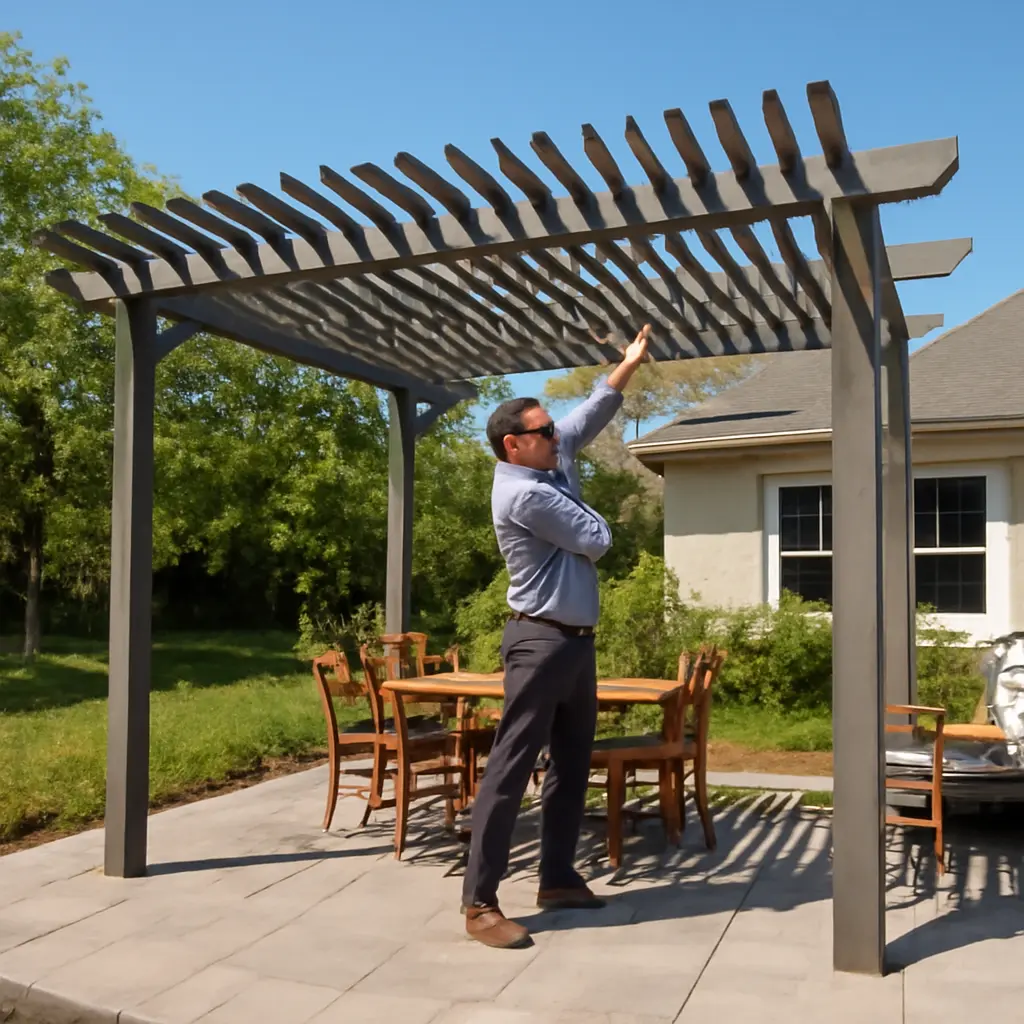
Decorative shade structures—such as pergolas, arbors, and shade sails—are outdoor features that provide cover while shaping the look and use of a space. Their less-obvious benefits extend beyond visual appeal: well-designed shade can reduce direct sun exposure, make outdoor areas more comfortable, and help limit heat gain through nearby windows. The U.S. Environmental Protection Agency notes that shade from trees and other vegetation can reduce surface and air temperatures; the same cooling effect depends on a structure’s coverage, orientation, materials, and local climate. This guide explains how shade structures support comfort, health, energy-conscious design, and more useful outdoor spaces, while distinguishing their benefits from claims that depend on site-specific conditions.
How Decorative Shade Structures Improve Outdoor Comfort
A decorative shade structure is an overhead or partially overhead feature designed to block some sunlight while complementing a landscape or building. The category includes pergolas, arbors, gazebos, and tensioned shade sails. Unlike a fully enclosed roof, many designs filter rather than completely stop sunlight, so the amount of shade varies with the structure’s geometry, fabric or roofing, and the sun’s angle.
The National Weather Service’s heat-safety guidance emphasizes seeking shade and limiting exposure during periods of high heat. A structure can make a patio or play area more inviting, but it does not make outdoor activity risk-free: reflected sunlight, high temperatures, and ultraviolet exposure can remain significant. The Centers for Disease Control and Prevention recommends combining shade with other sun-protection measures, such as protective clothing and sunscreen.
Thermal comfort and usable outdoor space
Thermal comfort describes how people experience temperature, airflow, humidity, and radiant heat. Shade reduces direct solar radiation on people and surfaces, often making a seating area feel more comfortable even when the air temperature changes little. A 2021 review in The Lancet on the health effects of climate change documents the growing importance of heat exposure as a public-health concern; the practical value of a shaded rest area is therefore especially relevant in hot seasons and heat-prone communities.
Coverage should match the intended use. A dining area may need dependable midday shade, while a garden arbor may be designed to provide dappled light. Adjustable louvers, retractable canopies, and removable shade cloth can accommodate changing seasons, but their performance depends on installation and maintenance.
Ultraviolet protection and responsible claims
Ultraviolet protection is the reduction of exposure to solar UV radiation. Dense, appropriately rated canopy materials can block much of the direct sunlight, but protection varies by fabric, color, weave, coverage, and the amount of UV reaching a person from surrounding surfaces. The World Health Organization advises using multiple sun-protection measures and notes that shade alone may not eliminate exposure, particularly when UV radiation is scattered or reflected.
For a family seating or children’s play area, choose a canopy with published UV-performance information where available, and consider the sun’s path at the hours the space is used. A shade structure should be treated as one part of a sun-safe plan—not as a guarantee against sunburn.
How Decorative Shade Structures Support Buildings and Landscapes
Shade structures can also influence the conditions around a home. When positioned to shade sun-exposed windows, doors, or walls, they may reduce direct solar gain. The U.S. Department of Energy explains that exterior shading is generally more effective at limiting unwanted solar heat through windows than relying only on interior blinds, because it blocks sunlight before it passes through the glass. Results depend on orientation, season, glazing, and the structure’s distance from the building.
Cooling and energy-conscious design
Building-related cooling benefits are strongest when shade is placed over windows that receive intense sun, particularly during hot periods. A pergola with deciduous vines can provide seasonal variation: foliage creates summer shade, while leaf drop may allow more winter sunlight. This approach needs suitable plant selection, time to establish, and ongoing pruning; it is not an immediate substitute for properly designed building shading.
The EPA’s heat-island guidance describes how built surfaces absorb and re-emit heat, contributing to hotter urban conditions. A shade canopy can keep the surface beneath it from receiving as much direct solar energy, although a single structure cannot by itself measurably reverse neighborhood-scale heat-island effects. For broader cooling, shade structures work best alongside trees, reflective or permeable surfaces, and climate-appropriate building design.
Rain shelter, privacy, and flexible use
Some structures offer partial protection from light rain or create a visual boundary between a patio and neighboring properties. These are practical secondary benefits, but an open pergola is not equivalent to a waterproof roof, and a fabric canopy may require removal during strong winds or severe weather. Privacy screens and climbing plants can improve enclosure, though dense screening may reduce airflow and affect ventilation.
A covered outdoor dining area, for example, can support meals and gatherings during bright weather, while a screened arbor can define a quiet garden nook. These uses illustrate why decorative shade is both a landscape feature and a functional amenity: its value comes from matching the design to everyday activities.
How Decorative Shade Structures Add Design and Property Value
Landscape design uses shade structures to organize space, create focal points, and connect a building to its garden. The American Society of Landscape Architects describes landscape architecture as the design of outdoor spaces that considers environmental, social, and aesthetic needs. In that context, a pergola or arbor can frame a view, mark a transition, or give an otherwise exposed patio a clear purpose.
Visual character and outdoor-room definition
An outdoor room is an exterior area arranged for a recognizable activity, such as dining, reading, or entertaining. Overhead beams, a canopy, lighting, and coordinated planting can make that area feel distinct without enclosing it. Materials and proportions matter: a structure should relate to the building’s scale and withstand local weather rather than serve as decoration alone.
For instance, a slim metal shade sail may suit a contemporary courtyard, while a timber pergola with climbing plants may complement a traditional garden. These examples are design choices, not evidence that one style universally increases resale value.
Property appeal and return-on-investment cautions
A well-maintained outdoor feature may improve a property’s presentation and usefulness, but its financial return depends on local buyer preferences, workmanship, permits, and the overall condition of the home. Remodeling-industry cost-versus-value reports assess specific projects and markets; they do not establish a guaranteed return for every pergola, arbor, or shade sail. Homeowners should compare installation costs with expected use and obtain local advice before treating a structure as an investment.
How to Choose and Maintain Decorative Shade Structures
Selecting a structure begins with the site: identify where the sun falls during the hours the area is used, check wind and snow exposure, and determine whether the goal is UV protection, cooling, rain cover, privacy, or visual definition. Local building codes and permit requirements may apply, especially for permanent structures or those attached to a home.
Materials, safety, and weather performance
Wood, metal, fabric, and polycarbonate each have different durability, maintenance, and light-transmission characteristics. Choose materials rated for the local climate and follow manufacturer instructions for anchoring and wind limits. The Federal Emergency Management Agency advises securing outdoor items that could become hazards in high winds; retractable or removable canopies should be stowed as directed when severe weather is expected.
- Check the structure’s rated wind and snow loads, where provided.
- Use suitable anchors and have permanent installations assessed by qualified professionals when necessary.
- Inspect fasteners, posts, fabric, and drainage regularly.
- Keep plants from obstructing gutters, damaging surfaces, or overloading the frame.
A practical planning sequence
- Map sun and shade across the site at different times of day and seasons.
- Define the main use and the amount of shade or weather protection required.
- Compare fixed, adjustable, and seasonal options, including their maintenance needs.
- Confirm permits, property-line restrictions, utility locations, and structural requirements.
- Review the finished installation periodically and adjust planting or canopy coverage as needed.
Conclusion: The Broader Benefits of Decorative Shade Structures
Decorative shade structures can make outdoor areas more comfortable, help limit direct sun exposure, contribute to building shading, and give a landscape stronger visual organization. Their benefits depend on thoughtful placement, suitable materials, and honest expectations: shade does not eliminate UV risk, an open pergola is not a storm-proof roof, and energy or resale gains are not guaranteed. Assess your site, define how you want to use it, and consult local code and installation guidance before choosing a design. For further reading, explore sun-safety advice from the CDC and WHO, heat and shade resources from the EPA, and building-shading guidance from the U.S. Department of Energy.
Sources: U.S. Environmental Protection Agency, Heat Island Effect, https://www.epa.gov/heatislands; U.S. Environmental Protection Agency, Using Trees and Vegetation to Reduce Heat Islands, https://www.epa.gov/heatislands/using-trees-and-vegetation-reduce-heat-islands; Centers for Disease Control and Prevention, Sun Safety, https://www.cdc.gov/skin-cancer/sun-safety/index.html; World Health Organization, Ultraviolet Radiation, https://www.who.int/news-room/fact-sheets/detail/ultraviolet-radiation; U.S. Department of Energy, Energy Saver: Energy-Efficient Window Coverings, https://www.energy.gov/energysaver/energy-efficient-window-coverings; National Weather Service, Heat Safety, https://www.weather.gov/safety/heat; The Lancet, The 2021 Report of the Lancet Countdown on Health and Climate Change, https://www.thelancet.com/journals/lancet/article/PIIS0140-6736(21)01787-6/fulltext; American Society of Landscape Architects, What Is Landscape Architecture?, https://www.asla.org/aboutlandscapearchitecture.aspx; Federal Emergency Management Agency, High Winds, https://www.ready.gov/wind
Related Post

Mistakes Brands Make When Following Outdoor Trends
Outdoor brands are companies that design, manufacture, distribute, or market products and experiences for activities [...]

Real Backyard Makeovers Using Simple Accessories
Backyard Makeovers: Simple-Accessory Design for Real Outdoor Spaces Backyard makeovers are practical improvements that increase [...]

Mistakes That Make Your Outdoor Furniture Look Dated
Outdoor furniture is the collection of movable seating, tables, shade structures, and accessories designed for [...]