
The Ultimate Outdoor Furniture Buying Guide for Every Space and Style
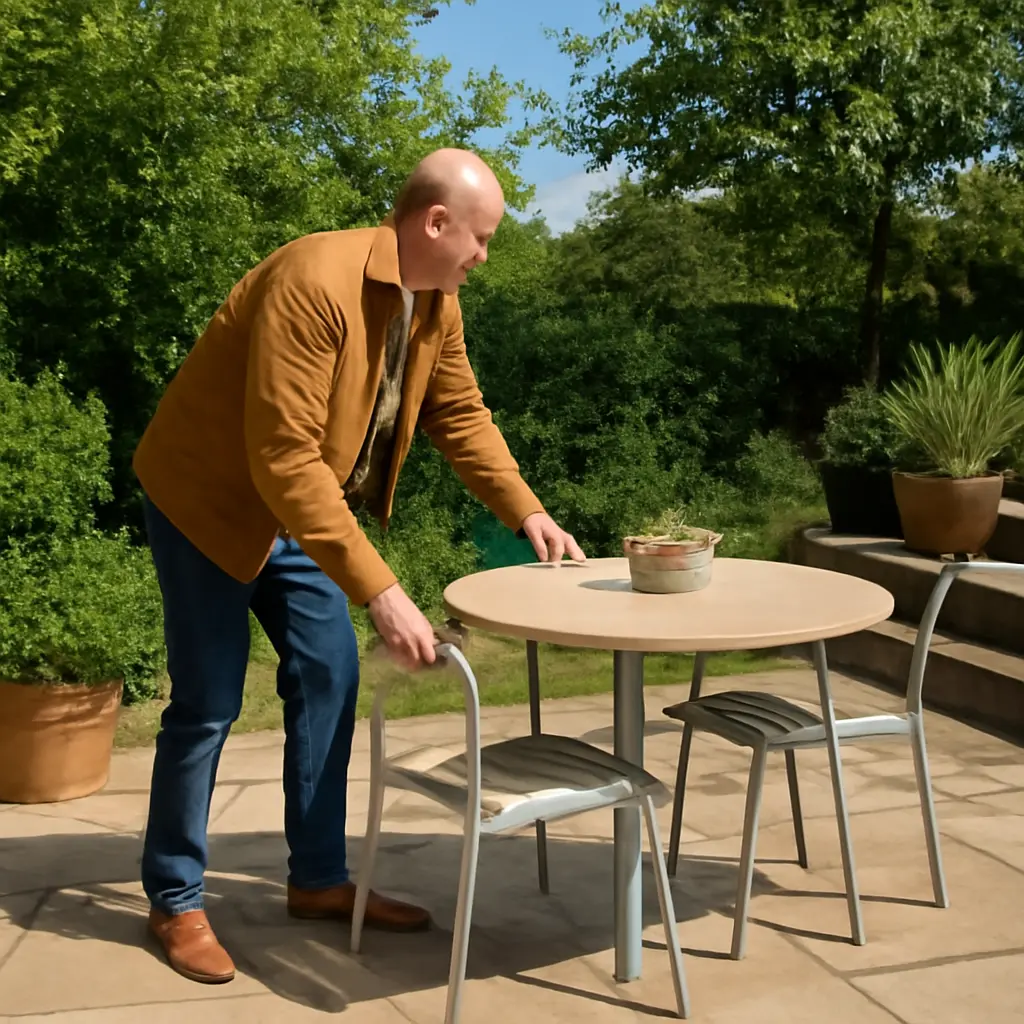
Outdoor furniture is the movable seating, dining, and lounging equipment designed for patios, balconies, gardens, decks, and other open-air spaces. The best choice balances available room, weather exposure, comfort, maintenance, and style—not just appearance. The U.S. Environmental Protection Agency estimates that outdoor water use accounts for about 30% of household water use on average, a reminder that outdoor spaces are active parts of home life and benefit from practical, durable planning. This guide compares furniture materials and construction, explains how to choose pieces for different spaces and uses, and covers care, safety, and budgeting so you can build an outdoor setup that fits your home and climate.
Outdoor Furniture Materials and Durability
Outdoor furniture materials are the substances used to make frames, surfaces, and cushions, selected for their ability to withstand sunlight, moisture, temperature changes, and regular use. The American Society for Testing and Materials (ASTM International) develops voluntary standards that help manufacturers and buyers evaluate products, but there is no single material that is best for every outdoor setting. Durability depends on material quality, construction, local weather, and maintenance.
Think of furniture as a system: the frame bears weight, the surface and weave face the weather, and cushions add comfort while requiring more protection. Matching each part to the site is often more useful than choosing by material name alone.
Wood: Warmth, Weight, and Upkeep
Wood furniture is made from solid timber or engineered wood and is valued for its natural appearance and sturdy feel. Teak contains natural oils that can help it resist moisture, while eucalyptus and acacia are commonly used alternatives. Wood still benefits from sensible care: prolonged standing water, harsh sun, and neglected joints can cause weathering or damage. Follow the manufacturer’s cleaning and finishing instructions, and allow pieces to dry after rain.
Wood can suit a garden or covered deck where a substantial, organic look is a priority. For exposed sites, check whether the product is intended for outdoor use and whether its hardware and finish are corrosion-resistant. A gray, weathered surface may be an expected change in appearance rather than structural failure.
Metal: Aluminum, Steel, and Wrought Iron
Metal outdoor furniture uses formed or cast metal for frames and tabletops. Aluminum is relatively light and does not rust in the same way as iron-based metals, making it convenient for balconies and furniture that needs to be moved. Steel is typically heavier and can be strong, but its protective coating must remain intact to help prevent corrosion. Wrought-iron-style furniture offers a substantial, traditional look; it is heavy, so it may be less practical to relocate or store.
When comparing metal pieces, inspect welds, joints, finish coverage, and feet or glides. In coastal or persistently damp locations, ask the manufacturer about corrosion resistance and care. Weight can be an advantage in windy areas, but it does not replace proper anchoring or safe placement.
Resin, Plastic, and Synthetic Wicker
Resin and plastic furniture are molded or woven synthetic products that are often easy to clean and relatively light. “Synthetic wicker” generally describes resin strands woven over a frame; it is not natural wicker, which is more vulnerable to moisture outdoors. Product quality varies, so look for outdoor-rated materials, stable frames, secure weaving, and guidance on UV exposure. Lower-quality plastics may fade, become brittle, or deform over time in strong sun or heat.
These materials are useful where low-effort cleaning matters, such as family patios or poolside areas. Light pieces can be easy to rearrange but may need to be secured or stored during high winds. Rinse off sunscreen, dirt, and salt deposits according to the care label.
Fabrics, Cushions, and Outdoor Performance
Outdoor textiles are fabrics and cushion components designed for exterior conditions. Performance varies by fiber, weave, dye, coating, and cushion construction. The U.S. Federal Trade Commission’s textile labeling rules require specified fiber-content information on many textile products, but a fiber label alone does not establish a fabric’s resistance to fading or mildew. Check the product’s stated outdoor-use rating, cleaning instructions, and warranty terms.
Quick-drying foam and removable covers can simplify upkeep, though even weather-resistant cushions should not be assumed to be waterproof. Store cushions in a dry, ventilated place when they are not in use, particularly during extended wet weather. This material decision leads naturally to the next one: choosing furniture that actually fits the space and the way people use it.
Outdoor Furniture for Different Spaces and Uses
Outdoor furniture selection is the process of matching furniture dimensions, arrangement, and function to a site. Measure the usable area, note doors and pathways, and account for planters, grills, railings, and other fixed features. The U.S. Access Board’s accessibility guidance emphasizes clear routes and maneuvering space in covered settings; even where its standards do not apply to a private patio, the principle of keeping paths unobstructed improves everyday usability.
Start by identifying the main activity—dining, relaxing, entertaining, or gardening—then choose a small number of pieces that support it. A compact, flexible arrangement is often more comfortable than filling every available corner.
Balconies and Small Patios
Balcony furniture is compact outdoor furniture designed for limited floor area and, in some cases, restricted loading or storage. Measure the balcony’s width and depth, then leave a clear route to the door and any required exit. Folding chairs, nesting tables, and narrow benches can provide useful seating without permanently occupying the entire floor.
Check building rules before attaching furniture to railings or placing heavy objects near edges. Do not rely on a railing as a furniture anchor unless the building manager and manufacturer specifically permit it. On a small balcony, a single bistro set or two lightweight chairs may be more practical than a full lounge grouping.
Patios and Outdoor Dining Areas
A patio is a paved or otherwise prepared outdoor area that can support dining, conversation, and relaxation. For an outdoor dining set, measure the tabletop and chairs together, including the space needed to pull chairs out. Consider how many people usually eat outside rather than buying a set sized only for occasional gatherings. Extendable tables and stackable chairs can help accommodate changing needs.
For a real-world planning example, a narrow townhouse patio may work better with a rectangular table placed along one side and a bench against the wall than with a round table centered in the space. The best layout preserves a comfortable route between the home and the seating area.
Gardens, Decks, and Larger Yards
Garden and deck furniture is outdoor seating or dining equipment arranged in larger landscapes or on raised platforms. Divide a large area into functional zones—such as dining near the kitchen door and lounge seating where the view or shade is best. Grouping pieces on an outdoor rug can visually define a conversation area, provided the rug is suitable for exterior use and does not create a tripping hazard.
On a raised deck, confirm the structure’s load limits before adding unusually heavy furniture, large planters, or water-filled features. Position chairs and tables so that stairs, doors, and access routes remain clear. For an exposed garden, consider the wind and sun direction at different times of day before settling on a permanent layout.
Poolside and All-Weather Seating
Poolside furniture is seating and lounging equipment placed near a swimming pool, where splashes, wet skin, and sunscreen are routine. Choose surfaces that are easy to rinse and fabrics the manufacturer identifies as suitable for the setting. Keep furniture away from pool edges and walking routes where it could obstruct movement or create a fall hazard.
“All-weather” is a marketing description, not a promise that furniture needs no care or can withstand every climate. Read the warranty’s exclusions for wind, snow, coastal exposure, fading, and improper storage. For year-round outdoor use, favor robust frames and finishes, but still plan to clean, cover, or store items during severe conditions.
Outdoor Furniture Style, Comfort, and Layout
Outdoor furniture style is the visual character created by a piece’s shape, color, material, and relationship to its surroundings. Style is most successful when it supports the home’s architecture and the intended use of the space. Comfort also depends on seat height, seat depth, back angle, armrests, and cushion firmness, so product photographs cannot replace trying a chair when possible.
A coherent outdoor room does not require matching sets. Repeating one finish or color across a few pieces can connect different furniture types while allowing the space to feel personal.
Modern, Traditional, Coastal, and Natural Looks
Modern outdoor furniture often uses clean lines and restrained forms; traditional designs may feature familiar profiles and decorative details; coastal schemes commonly use light colors and woven textures; natural or rustic styles emphasize wood, stone, and organic shapes. These are broad design categories rather than fixed rules. A simple aluminum frame can complement a contemporary home, while a timber bench may feel at home in a garden setting.
Choose a palette that relates to nearby surfaces such as siding, decking, paving, and planting. Before committing to multiple cushions or a large rug, compare colors outdoors: daylight and reflected light can make colors appear different from how they look in a showroom.
Comfort and Ergonomic Fit
Ergonomic fit is the relationship between furniture dimensions and the body positions a person needs to sit, dine, or recline comfortably. Check whether feet rest naturally, the seat supports the thighs without pressing behind the knees, and armrests allow easy entry and exit. For dining furniture, confirm that chairs fit under the table and that the table height works for the intended users.
If several people will use the space, try to include varied seating options rather than assuming one chair shape suits everyone. A mix of upright dining chairs and deeper lounge seats can serve different activities without sacrificing visual unity.
Shade, Privacy, and Outdoor Lighting
Shade and privacy features are additions such as umbrellas, screens, pergolas, and curtains that make outdoor furniture more usable. An umbrella should be appropriately sized for its base and location; follow the manufacturer’s instructions and close it in strong wind. Screens and tall planters can create privacy, but should not block safe paths or ventilation around grills and other heat sources.
For evening use, choose outdoor-rated lighting and keep electrical equipment away from water unless it is specifically designed for that exposure. The National Fire Protection Association advises keeping grills away from structures and combustible materials; furniture, cushions, and shade fabrics should likewise be positioned at a safe distance from open flames and hot cooking equipment.
Outdoor Furniture Care, Safety, and Value
Outdoor furniture care is the routine cleaning, inspection, protection, and storage that helps preserve a piece’s condition and function. A realistic buying decision includes not only the purchase price but also expected maintenance, replacement cushions, protective covers, storage needs, and the manufacturer’s warranty. The Federal Trade Commission’s guidance on warranties recommends reading coverage terms carefully; outdoor products may exclude damage from neglect, weather events, or use beyond the stated purpose.
A simple annual inspection can reveal loose fasteners, cracked welds, splintering, damaged finishes, and worn fabric before they become larger problems. Keep care products compatible with the material, because a cleaner or coating intended for one surface may harm another.
Cleaning and Seasonal Protection
Cleaning and seasonal protection involve removing soil and residue, drying pieces thoroughly, and using covers or indoor storage when conditions warrant. Start with the manufacturer’s instructions; when none are available, use a mild cleaning method on a small, inconspicuous area before treating the full piece. Avoid trapping moisture under a cover, as poor ventilation can encourage mildew or finish deterioration.
In snowy or storm-prone regions, store lightweight furniture and cushions before severe weather. In hot, sunny climates, shade and suitable covers can reduce exposure, though no cover should be treated as a substitute for regular inspection. Coastal owners should rinse salt deposits from appropriate surfaces as recommended by the manufacturer.
Safety, Stability, and Accessibility
Furniture safety is the prevention of tipping, slipping, collision, and heat-related hazards through sound construction and thoughtful placement. Set chairs and tables on stable, level surfaces, tighten fasteners as directed, and avoid using damaged pieces. Secure or move light furniture when wind is forecast, and keep furniture away from fire pits, grills, heaters, and pool edges.
Plan clear routes for people carrying food, using mobility aids, or moving between the house and yard. The U.S. Access Board’s accessibility standards provide detailed dimensions for certain regulated facilities; homeowners can use their broader design principle—continuous, unobstructed circulation—to make an outdoor space easier for more people to use.
Budgeting, Warranties, and Sustainable Choices
Outdoor furniture value is the combination of initial cost, expected useful life, comfort, repairability, and upkeep. Compare complete product specifications rather than prices alone: frame material, fabric details, replacement-part availability, assembly requirements, and warranty coverage can change the long-term value. If possible, test chairs in person and check that replacement cushions or covers can be purchased separately.
Sustainable buying can mean choosing durable pieces, repairing rather than replacing them, and selecting materials with credible sourcing or recycled-content information. The U.S. Environmental Protection Agency’s guidance on sustainable materials management emphasizes considering materials across their life cycle. Look for specific, verifiable claims rather than relying on broad labels such as “eco-friendly.”
A practical purchase sequence is to measure the site, define the primary activity, set a total budget that includes accessories, compare construction and care requirements, and then select a style. This reduces the chance of buying attractive furniture that does not fit, withstand the conditions, or support the way the space is used.
Conclusion: Build an Outdoor Space That Works
The ultimate outdoor furniture choice depends on matching materials and durability to the climate, selecting appropriately scaled pieces for the space, and balancing comfort with style. Wood, metal, resin, and performance fabrics each offer distinct strengths, while balconies, patios, gardens, decks, and poolside settings impose different layout and safety needs. Care, warranties, storage, and repairability also shape the true value of a purchase.
Before buying, measure carefully, inspect construction, read care and warranty terms, and consider how the furniture will be used through the seasons. Then choose a few well-fitting pieces and build around them. For further guidance, consult manufacturer care instructions, local building or property rules, and accessibility resources before making changes to a deck, balcony, or shared outdoor area.
Sources: U.S. Environmental Protection Agency, Outdoor Water Use in the United States, https://www.epa.gov/watersense/outdoor-water-use-united-states; ASTM International, Standards and Publications, https://www.astm.org/products-services/standards-and-publications.html; Federal Trade Commission, Care Labeling of Textile Wearing Apparel and Certain Piece Goods, https://www.ftc.gov/legal-library/browse/rules/care-labeling-textile-wearing-apparel-certain-piece-goods; U.S. Access Board, Guide to the ADA Accessibility Standards, https://www.access-board.gov/ada/guides/; National Fire Protection Association, Grilling Safety, https://www.nfpa.org/education-and-research/home-fire-safety/grilling; Federal Trade Commission, Warranties, https://consumer.ftc.gov/articles/warranties; U.S. Environmental Protection Agency, Sustainable Materials Management Basics, https://www.epa.gov/smm/sustainable-materials-management-basics.
Related Post

Mistakes That Make Your Outdoor Furniture Look Dated
Outdoor furniture is the collection of movable seating, tables, shade structures, and accessories designed for [...]

Real Apartment Dwellers Share Their Terrace Transformations
Apartment Terrace Transformations: Real Dwellers Share Small-Space Outdoor Makeovers Apartment terrace transformations are resident-led changes [...]

Bold Textures Making Decks Look Expensive on a Budget
Deck Design: Bold Textures That Make Outdoor Spaces Look Expensive on a Budget Deck design [...]