
How to Build the Perfect Outdoor Furniture Collection
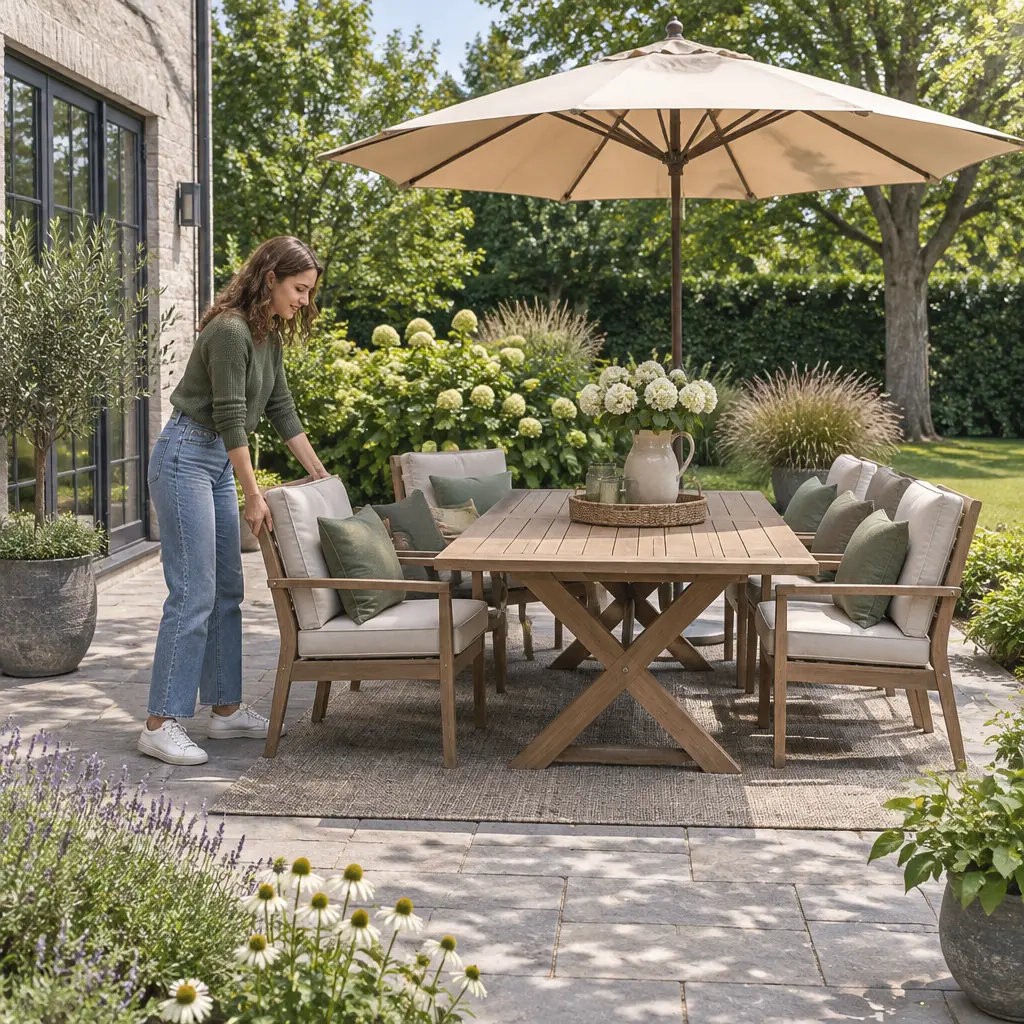
Outdoor furniture is a collection of seating, tables, and accessories designed to make patios, decks, balconies, and gardens comfortable and usable. The perfect collection is not simply a matching set: it is a climate-appropriate, well-proportioned mix that suits how people gather, eat, relax, and store furniture through changing seasons. Build yours by measuring the space, choosing durable materials, selecting furniture for real activities, and completing the setting with shade, lighting, and textiles. This approach matters because outdoor furniture is exposed to sun, rain, temperature changes, and everyday wear; the U.S. Environmental Protection Agency also identifies outdoor shade as an important way to reduce exposure to ultraviolet radiation.
Outdoor furniture collection design: plan around space and use
A furniture collection is a coordinated group of pieces selected to work together in function, scale, appearance, and maintenance. For outdoor spaces, that definition should also include exposure: furniture in a covered porch faces different conditions from pieces left in an open garden. The American Society of Landscape Architects describes outdoor living areas as spaces planned for activities such as dining, entertaining, and relaxation—useful categories to consider before shopping.
Measure the space and circulation routes
Start with the usable footprint, not the property’s overall size. Measure the area and note doors, steps, planters, railings, drains, and paths that must remain clear. Use masking tape or a simple scaled sketch to test furniture footprints before buying. As a practical planning allowance, leave roughly 30–36 inches for a comfortable main walking route where space permits, and allow chairs to pull back from a dining table without blocking a doorway. These are design guidelines, not universal building-code requirements; check local accessibility and safety rules where relevant.
Match furniture to activities
Choose pieces according to the way the space will be used most often. A dining area calls for a table and chairs with appropriate seat height and room to move; a conversation area benefits from a sofa or chairs arranged around a low table; a small balcony may work better with folding or stackable pieces. For shared outdoor meals, the U.S. Fire Administration advises keeping grills outdoors and away from structures, so place dining furniture with a safe separation from cooking equipment rather than treating the grill as part of the seating zone.
Plan for scale and visual balance
Scale means how furniture dimensions relate to the space and to one another. A deep sectional can overwhelm a narrow deck, while tiny chairs may look lost on a broad terrace. Balance solid pieces with open space, and avoid filling every corner: clear floor area improves movement and makes the setting feel more inviting. A reliable sequence is to select the largest anchor piece first, then add complementary seating, tables, and accessories.
Outdoor furniture materials: choose for climate and care
Material selection determines how furniture responds to moisture, sunlight, heat, salt, and maintenance. No material is maintenance-free, and performance depends on construction, coatings, hardware, and care as much as the material name. The Federal Trade Commission’s guidance on environmental marketing is a useful reminder to look for substantiated claims rather than assuming terms such as “eco-friendly” guarantee durability or low environmental impact.
Aluminum and steel frames
Aluminum is relatively light and does not rust in the same way iron-based metals do, making it convenient for movable furniture. Steel is generally heavier and can provide a stable frame, but exposed or damaged coatings may allow corrosion. For coastal or wet settings, inspect the finish, fasteners, and manufacturer’s care instructions; rinse salt deposits from surfaces and promptly repair scratches in protective coatings.
Wood, including teak and eucalyptus
Wood brings a warm, natural appearance, but outdoor species differ in density, weather resistance, and upkeep. Teak is commonly chosen for outdoor use because its natural oils help it tolerate exposure, while eucalyptus furniture often needs regular cleaning and protection according to its finish and manufacturer guidance. Unfinished wood may weather toward a silver-gray color; this is an appearance change, not automatically a sign of failure. Use suitable cleaners and sealers rather than applying an indoor finish outdoors.
Resin wicker and synthetic materials
Synthetic wicker usually consists of woven resin over a frame, offering a woven look with less sensitivity to moisture than many natural fibers. Quality varies: check that the weave is tightly secured, the frame is sturdy, and the product is rated for the intended exposure. Plastics and resins can fade or become brittle under prolonged ultraviolet exposure, so shade and protective storage can extend their useful life.
Outdoor fabrics and cushions
Outdoor fabric is engineered to handle more exposure than ordinary indoor upholstery, but “outdoor” does not mean waterproof or immune to fading. Compare the fabric’s UV, water-repellency, cleaning, and mildew-care guidance, and check whether cushion covers can be removed. Store cushions dry when they are not in use, especially before long wet periods. The American Society for Testing and Materials (ASTM) publishes standardized textile test methods, but consumers should rely on specific product performance information rather than assuming a single label covers every condition.
Outdoor furniture layout: create functional zones
A functional layout groups furniture by activity and connects those groups with clear movement routes. This zoning approach helps a collection feel intentional even when its pieces come from different ranges. In practical terms, define a primary zone first, then add secondary functions only if the space can support them comfortably.
Dining and entertaining zones
Place dining furniture near the route used to carry food and dishes, while leaving enough space for chairs to move. Choose a table shape that fits the footprint: round tables can ease conversation in compact areas, while rectangular tables often suit long decks or larger groups. Before purchasing, confirm the number of seats the table accommodates in everyday use, not just its maximum advertised capacity.
Lounge and conversation zones
Arrange lounge seating so people can converse without shouting across an oversized gap. Pair a sofa or chairs with a surface for drinks, and consider a side table beside each frequently used seat. If the area is exposed to strong sun, plan shade at the same time as seating: the Centers for Disease Control and Prevention recommends using shade as one part of sun protection, alongside clothing and sunscreen.
Small-space and flexible layouts
On balconies and compact patios, prioritize pieces that do more than one job. Folding chairs, nesting tables, benches with storage, and lightweight stools can make a small area adaptable. Keep the floor visually open and choose furniture with a footprint that preserves access to doors and emergency routes. A single comfortable chair and useful side table can be a better collection than a crowded miniature dining set.
Outdoor furniture comfort and accessories: finish the collection
Comfort accessories make a collection usable across more conditions and times of day. They should complement the furniture without adding fragile or high-maintenance items that are difficult to protect. Prioritize shade, lighting, and practical surfaces before decorative accents.
Shade and weather protection
Umbrellas, awnings, pergolas, and shade sails can reduce direct sun exposure and help protect furniture finishes. Select a solution suited to wind conditions and anchoring requirements; never leave an unsecured umbrella open in strong wind. The EPA’s Sun Safety guidance notes that shade can reduce UV exposure but does not eliminate it, because reflected and scattered sunlight may still reach people.
Lighting and temperature comfort
Outdoor-rated lighting extends the useful hours of a patio, while warm, low-glare fixtures can make seating areas more comfortable. Confirm that electrical equipment is rated for outdoor use and installed according to local electrical codes. In cooler climates, blankets and properly designed outdoor heaters may help, but heaters and open flames must be positioned and operated in line with manufacturer instructions and fire-safety guidance.
Rugs, cushions, and useful surfaces
A weather-suitable rug can visually define a zone, while cushions improve comfort and introduce color. Select a rug designed for outdoor conditions and allow it to dry rather than trapping moisture beneath it. Side tables, serving trays, and storage boxes add everyday utility; choose accessories that do not obstruct drainage or create trip hazards.
Outdoor furniture maintenance: protect value over time
Maintenance is the routine cleaning, inspection, and protection that helps furniture remain safe and usable. A simple care schedule is more effective than waiting for visible damage: clean according to material instructions, tighten loose hardware, and address stains or finish damage early. Keep receipts and product-care documents so you can follow the maker’s recommendations and warranty conditions.
Seasonal cleaning and inspection
At the start and end of each outdoor season, check frames, joints, feet, fasteners, and fabric seams. Remove dirt with the recommended cleaner; harsh chemicals and pressure washing can damage finishes or weaken fibers. Let items dry fully before covering them, since trapped moisture can encourage mildew and corrosion.
Storage, covers, and repair
Store cushions indoors or in ventilated storage when prolonged rain or winter conditions are expected. Furniture covers should fit securely while allowing airflow, and should not pool water against the piece. Repairing a loose joint, torn sling, or small finish chip can prevent a minor problem from becoming a safety issue. Recycle or donate furniture when practical rather than discarding items that remain serviceable.
Conclusion: build an outdoor furniture collection that lasts
The best outdoor furniture collection begins with accurate measurements and a clear picture of how the space will be used. Select materials suited to local exposure, arrange furniture into comfortable zones, and complete the setting with appropriate shade, lighting, and practical accessories. Regular cleaning, inspection, and seasonal protection help preserve both comfort and value. Before buying, measure the space, compare care requirements, and verify that each piece earns its place in the collection.
Sources: American Society of Landscape Architects, Outdoor Living, https://www.asla.org/; U.S. Environmental Protection Agency, Sun Safety, https://www.epa.gov/sunsafety; Centers for Disease Control and Prevention, Sun Safety, https://www.cdc.gov/skin-cancer/sun-safety/; U.S. Fire Administration, Grilling Fire Safety, https://www.usfa.fema.gov/prevention/home-fires/prevent-fires/grilling/; Federal Trade Commission, Environmental Claims: Summary of the Green Guides, https://www.ftc.gov/business-guidance/resources/environmental-claims-summary-green-guides; ASTM International, Standards for Textiles, https://www.astm.org/
Related Post

The Hidden Benefits of Decorative Shade Structures
Decorative shade structures—such as pergolas, arbors, and shade sails—are outdoor features that provide cover while [...]
How to Protect Outdoor Furniture in Extreme Heat
Outdoor furniture protection in extreme heat means limiting prolonged sun exposure, reducing heat buildup, and [...]

What Shoppers Notice First in Outdoor Furniture Displays
Outdoor Furniture Displays: First-Noticed Visual Attributes Outdoor furniture displays are curated retail arrangements that help [...]