
How to Protect Outdoor Furniture in Extreme Heat
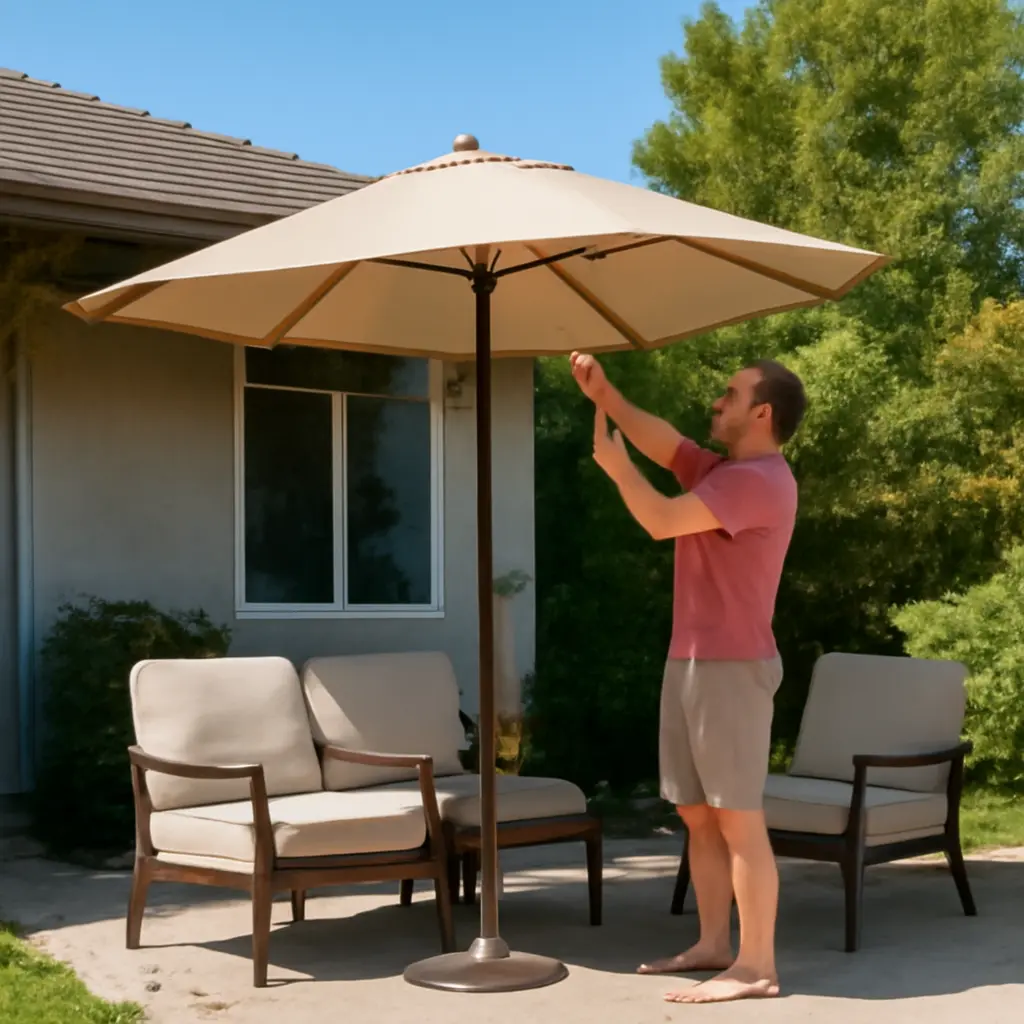
Outdoor furniture protection in extreme heat means limiting prolonged sun exposure, reducing heat buildup, and keeping materials clean and appropriately maintained. The most reliable approach combines shade, breathable covers, material-specific care, and regular checks: sunlight can fade fabrics and finishes, while hot surfaces can become uncomfortable or unsafe to touch. The U.S. Environmental Protection Agency reports that urban areas can be 1–7°F warmer than surrounding areas during the day, with larger differences at night, underscoring how local heat and exposure can affect patios. This guide explains how to protect furniture by material, choose covers and shade, maintain cushions, and respond to heat waves.
Reduce Heat Damage to Outdoor Furniture
Heat protection is a combination of reducing ultraviolet (UV) exposure and preventing excessive surface temperatures. The American Academy of Dermatology explains that UV rays can damage skin even on cloudy days; the same sunlight also contributes to fading and deterioration of outdoor materials over time. Furniture care therefore starts with controlling exposure rather than relying on a single product or treatment.
The main strategies are to move furniture into shade, use ventilated covers when it is not in use, clean and condition materials according to their care instructions, and store removable cushions during severe heat. These measures are especially useful for dark-colored surfaces, which absorb more solar energy than lighter ones, and for materials that dry out, crack, or fade under prolonged exposure.
Use shade to limit direct sun
Shade means blocking direct solar radiation with a tree canopy, umbrella, pergola, awning, or shade sail. It can reduce direct exposure to furniture and make seating areas more comfortable. The U.S. Environmental Protection Agency identifies shade as a heat-island mitigation strategy because it limits the amount of solar energy absorbed by surfaces. For furniture, the practical lesson is simple: place pieces under shade during the hottest hours, while allowing enough airflow to prevent dampness and mildew.
Choose breathable covers
A furniture cover is a protective barrier against sun, dust, and debris. For hot weather, look for a cover designed for outdoor use that fits securely but allows ventilation. A tightly sealed, dark cover can trap heat and moisture; a ventilated cover helps reduce that risk. Follow the manufacturer’s directions, and let furniture cool before covering it after intense sun exposure.
Move or rotate furniture strategically
Repositioning furniture helps prevent the same surfaces from receiving uninterrupted direct sun. Rotate pieces periodically, move lightweight items into shade, and avoid placing furniture against heat-reflecting walls or glass where possible. This is a low-cost way to reduce uneven fading and heat exposure, particularly for cushions and finishes.
Protect Outdoor Furniture by Material
Material-specific care matters because heat affects wood, metal, plastics, and textiles differently. The Forest Products Laboratory’s Wood Handbook describes how wood responds to changes in moisture; repeated drying and wetting can contribute to dimensional movement and surface checking. Metal can become hot in direct sun, while plastics and synthetic fabrics may fade or deform if exposed to extreme heat or unsuitable cleaning products. Always prioritize the furniture maker’s care instructions.
Wood furniture
Wood furniture benefits from shade, gentle cleaning, and a finish appropriate to its species and intended outdoor use. Inspect for drying, roughness, cracks, or failing sealant, and apply an exterior-rated oil, stain, or protective coating only as the manufacturer recommends. Avoid placing wood directly beside heat sources, and do not leave wet cushions or pooled water on wood surfaces for long periods.
Metal furniture
Metal frames are durable, but direct sun can make seats and arms uncomfortable to touch. Shade and light-colored cushions can reduce the problem. Check painted or powder-coated finishes for chips, since exposed areas may be more vulnerable to corrosion, especially in humid or coastal environments. Use cleaning products approved for the particular metal and coating, and avoid abrasive tools that can scratch the finish.
Plastic and resin furniture
Plastic and resin furniture is lightweight and easy to clean, but prolonged UV exposure can fade or weaken some products. Store pieces in shade when possible and use only cleaners approved by the manufacturer. Do not place plastic furniture near grills, fire pits, or other heat sources, and avoid leaving it on surfaces that become exceptionally hot if the maker warns against it.
Wicker and synthetic wicker
Natural wicker can dry and become brittle when exposed to prolonged sun, while synthetic wicker may still fade or suffer from heat-related wear. Keep both types shaded when feasible, brush away dust, and clean with methods recommended for the specific material. Check weave junctions and frame connections for looseness or cracking before the peak outdoor season.
Keep Cushions and Outdoor Fabrics Cooler
Outdoor fabrics include cushion covers, sling seats, and shade textiles. Their performance depends on fiber, dye, coating, and construction, so a “weather-resistant” label does not mean that a fabric is immune to sun damage. The American Academy of Dermatology’s guidance on sun protection emphasizes that UV exposure remains relevant even when conditions appear mild; for outdoor textiles, consistent shade and care are practical ways to slow fading.
Store cushions during peak heat
Bring cushions indoors or place them in a ventilated storage box when furniture is not in use during intense heat. This reduces direct sun exposure and helps prevent hot upholstery from becoming uncomfortable. Before storage, make sure cushions are dry to reduce the chance of mildew.
Clean fabric without damaging its finish
Use the cleaning method and solution specified by the fabric or furniture manufacturer. Test any cleaner on a small, inconspicuous area first, and avoid bleach or harsh solvents unless explicitly approved. Rinse away residue as directed and allow fabric to dry fully before covering or storing it.
Choose lighter colors thoughtfully
Lighter surfaces generally absorb less solar energy than darker ones, so light-colored cushions may feel cooler in direct sun. However, color alone does not determine durability: fabric construction, UV resistance, and maintenance instructions also matter. When replacing cushions, compare the maker’s outdoor-use and colorfastness information rather than relying only on appearance.
Prepare for Heat Waves and Daily Use
A heat wave calls for a simple routine: reduce exposure, check for heat-related wear, and keep people from contacting surfaces that are too hot. The National Weather Service advises people to take precautions during extreme heat, including limiting exposure and using shade. These same habits make outdoor furniture more usable and help catch deterioration before it becomes costly.
Use a heat-wave checklist
- Move furniture and cushions into shade during the hottest part of the day.
- Use fitted, ventilated covers only after items have cooled and are dry.
- Check frame joints, coatings, wood finishes, and fabric seams for wear.
- Keep furniture away from grills, fire pits, and other heat-producing equipment.
- Before sitting, check whether metal, plastic, or dark surfaces are uncomfortably hot.
- Follow product labels for cleaning, conditioning, and storage.
Treat shade and storage as a seasonal plan
A practical example is a patio that receives full afternoon sun: place the most frequently used seating beneath an awning or umbrella, store removable cushions indoors when the area is unused, and cover the furniture after it cools. At the end of the hottest season, clean and inspect each piece, repair minor finish damage, and store items in a dry, ventilated location if they will not be used for an extended period.
Conclusion: Make Outdoor Furniture Heat-Ready
Protecting outdoor furniture in extreme heat depends on matching care to material and reducing prolonged exposure. Shade and ventilation limit solar stress; wood, metal, plastic, wicker, and fabrics each need appropriate maintenance; and cushions are best stored dry and out of direct sun during the hottest periods. Use the heat-wave checklist, follow manufacturer instructions, and inspect furniture regularly so small problems do not become major repairs. For additional guidance, consult the product care label and local heat-safety advice before the next stretch of extreme temperatures.
Sources: U.S. Environmental Protection Agency, Heat Island Effect, https://www.epa.gov/heatislands/heat-island-effect; American Academy of Dermatology Association, Sunscreen FAQs, https://www.aad.org/media/stats-sunscreen; USDA Forest Products Laboratory, Wood Handbook—Wood as an Engineering Material, https://www.fpl.fs.usda.gov/documnts/fplgtr/fpl_gtr282.pdf; National Weather Service, Heat Safety, https://www.weather.gov/safety/heat
Related Post

Easy Ways to Create a Magical Outdoor Dining Atmosphere
A magical outdoor dining atmosphere is a deliberately designed combination of light, sound, scent, texture, [...]

Real Apartment Dwellers Share Their Terrace Transformations
Apartment Terrace Transformations: Real Dwellers Share Small-Space Outdoor Makeovers Apartment terrace transformations are resident-led changes [...]
The Hidden Benefits of Decorative Shade Structures
Decorative shade structures—such as pergolas, arbors, and shade sails—are outdoor features that provide cover while [...]