
How to Clean and Maintain Outdoor Furniture
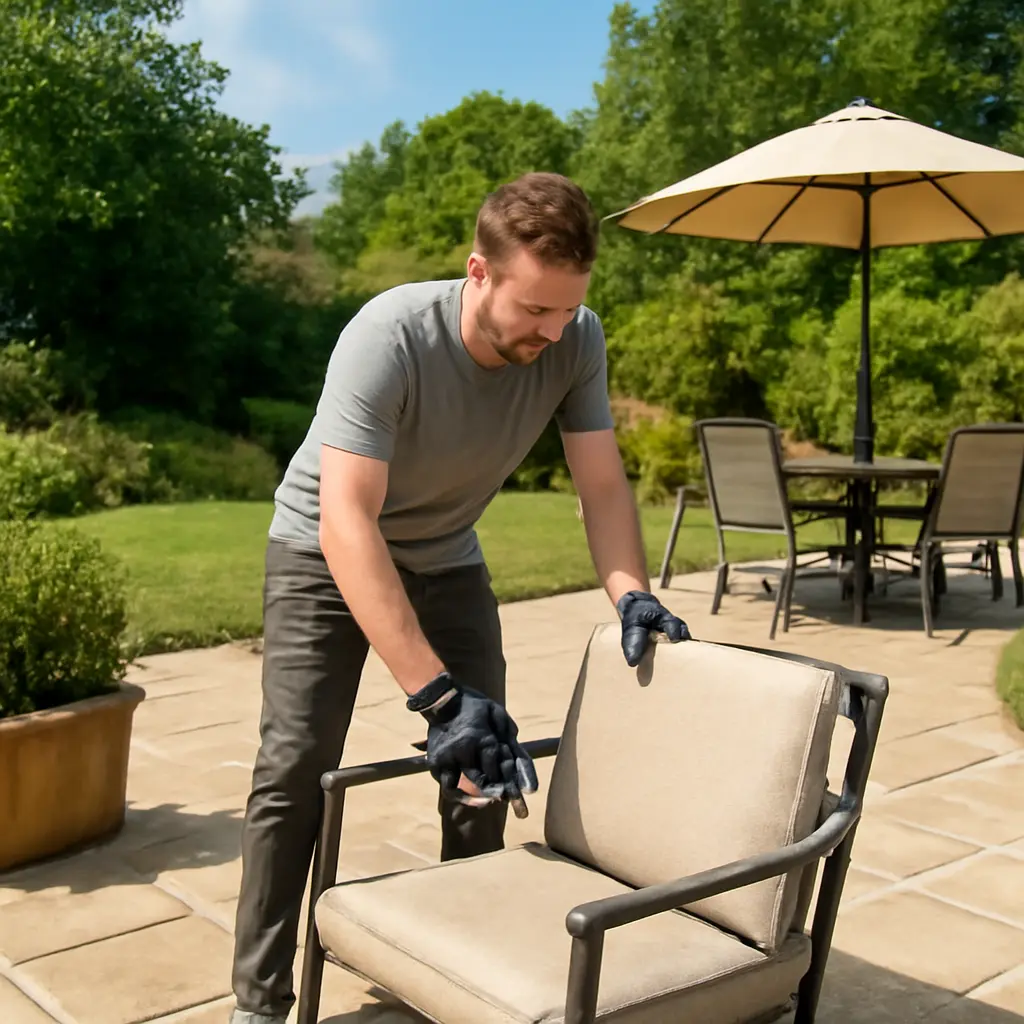
Outdoor furniture includes chairs, tables, loungers, and other furnishings designed for patios, decks, gardens, and balconies. Cleaning it regularly and choosing care methods suited to each material helps prevent stains, mildew, corrosion, and premature wear. The U.S. Environmental Protection Agency (EPA) recommends following product labels and using cleaners as directed; for outdoor furniture, that principle means checking manufacturer instructions before applying water, soap, or protective treatments. This guide explains general cleaning, material-specific care, seasonal maintenance, and practical ways to extend furniture life.
Cleaning Methods and Outdoor Furniture Care
Outdoor furniture care is the set of cleaning, inspection, protection, and storage practices used to keep furniture functional and presentable while it is exposed to weather. The American Cleaning Institute advises matching cleaning methods to the surface and following care directions, while furniture manufacturers commonly provide material-specific instructions because finishes and construction vary. A gentle baseline—remove loose debris, wash with mild soap and water when appropriate, rinse, and dry fully—works for many surfaces, but it is not universal.
The main categories are routine cleaning, stain and mildew treatment, material-specific maintenance, and seasonal protection. Before starting, check labels or the manufacturer’s care guide, test a cleaner on a hidden area, and avoid mixing cleaning products. The Centers for Disease Control and Prevention warns that bleach must never be mixed with ammonia or other cleaners, because dangerous gases can form.
Routine cleaning and safe preparation
Routine cleaning removes dust, pollen, soil, food residue, and bird droppings before they become harder to remove. First brush or vacuum loose debris. Wash suitable hard surfaces with a soft cloth or sponge and a small amount of mild dish soap diluted in water, then rinse thoroughly and let them dry. Use a soft-bristled brush for textured areas and joints; abrasive pads can scratch coatings and polished finishes.
Clean on a mild day rather than in intense direct sun, which can cause soap or water to dry too quickly and leave marks. Protect nearby plants and drains from runoff, and use only the amount of cleaner needed. A regular rinse after dusty or pollen-heavy periods can reduce the need for stronger products later.
Stains, mildew, and algae
Mildew and algae are growths encouraged by moisture, shade, and limited airflow. Address them promptly by brushing away loose material outdoors and cleaning the surface with a product approved for that furniture’s material. Follow its label for dilution, contact time, protective equipment, and rinsing. Do not assume that chlorine bleach is safe for every fabric, finish, or metal component; it can discolor or damage some materials.
For food or drink stains, blot rather than rub fabric, then follow the cushion or textile care label. Avoid pressure washing unless the manufacturer specifically permits it: concentrated spray can strip finishes, force water into joints, or damage woven fibers. Persistent stains may require a material-approved cleaner or professional treatment.
Material-Specific Outdoor Furniture Maintenance
Material-specific maintenance means selecting cleaning and protection methods according to the furniture’s surface, structure, and finish. The Forest Products Laboratory, part of the U.S. Department of Agriculture Forest Service, describes wood durability as dependent on factors such as species, design, moisture exposure, and protective treatment. Likewise, metals, plastics, and outdoor textiles respond differently to moisture, abrasion, cleaners, and sunlight. Check the manufacturer’s instructions where materials are combined, since a chair may include a metal frame, plastic fittings, and fabric sling.
Wood furniture
Wood furniture includes hardwoods, softwoods, and engineered or treated products, each with different weather resistance. Clean with a soft brush or cloth and a mild, wood-compatible solution, working with the grain where practical. Rinse sparingly and dry the piece thoroughly. Avoid leaving standing water on joints or end grain, where prolonged dampness can contribute to deterioration.
Inspect for loose fasteners, splinters, checking, and worn finish. If the manufacturer recommends oil, sealer, or paint, apply it only to clean, dry wood and follow the product label. The Forest Products Laboratory’s guidance on wood protection emphasizes that keeping water out and allowing components to dry are important parts of reducing decay risk; design, finish, and exposure all influence results.
Metal furniture
Metal furniture commonly uses aluminum, steel, or wrought iron. Wash compatible finishes with mild soap and water, then rinse and dry, paying attention to seams and fasteners. Aluminum does not rust like iron, but its finish can still stain or corrode under unsuitable conditions. Steel and iron need particular attention to chips, scratches, and areas where water collects.
Check the frame periodically for flaking paint, rust spots, loose joints, or sharp edges. Treat damaged coatings using the manufacturer’s repair recommendations rather than simply painting over dirt or active corrosion. Keep metal pieces from sitting in pooled water, and use compatible hardware when replacing screws or bolts.
Plastic, resin, and wicker
Plastic and resin furniture is generally cleaned with a soft cloth, mild soap, and water, but strong solvents and abrasive cleaners can dull, scratch, or weaken some plastics. Rinse thoroughly to prevent residue and dry the piece before storing it. For molded grooves, use a soft brush rather than a sharp tool that could gouge the surface.
Wicker may be natural or synthetic. Natural wicker should be cleaned gently and kept from prolonged dampness; synthetic resin wicker can often be washed with mild soapy water, subject to its care instructions. Use a soft brush to remove debris trapped between strands, and allow the furniture to dry completely. Covering wet wicker can hold moisture against the weave, so wait until it is dry before covering or storing it.
Cushions and outdoor fabrics
Outdoor cushions and textiles may use solution-dyed acrylic, polyester, olefin, or other fibers with different cleaning requirements. Read the sewn-in label or the fabric maker’s instructions before washing or applying stain treatments. Brush off loose soil, blot spills promptly, and clean with a fabric-approved solution. Do not machine-wash covers unless the care label permits it.
Dry cushions fully on both sides before returning them to furniture or placing them in a storage bin. Damp filling can retain moisture and develop odors or mildew. Sunlight can fade some textiles over time, so rotate cushions and store them when not in use if the manufacturer recommends it. The American Cleaning Institute’s general advice to follow product labels is particularly important for textiles, where a treatment suitable for one fabric may damage another.
Seasonal Protection and Furniture Longevity
Seasonal protection combines inspection, moisture control, appropriate covering, and off-season storage. The National Weather Service’s guidance on outdoor safety emphasizes that wind and severe weather can turn unsecured objects into hazards. In practice, bring lightweight pieces indoors or secure them before storms, and avoid relying on a cover alone to keep furniture safe in high winds.
Covers, shade, and storage
A furniture cover is a protective barrier against rain, dust, and debris, but it should fit without trapping excessive moisture. Choose a cover intended for outdoor use, secure it as directed, and allow airflow where possible. Remove covers periodically to inspect the furniture and let both the cover and furniture dry.
Store cushions indoors or in a dry, ventilated container when they are not in use for extended periods. In winter or during a long wet season, move furniture to a sheltered location if its manufacturer recommends it. Avoid stacking pieces in a way that strains frames, scratches finishes, or traps water between surfaces.
Inspection and a practical maintenance schedule
Inspection is a simple way to catch small problems before they become repairs. Check fasteners, joints, feet, glides, fabric seams, and finish damage at the start of each outdoor season and after severe weather. Tighten loose hardware only as appropriate for the design; overtightening can damage wood or strip threads.
- Weekly or as needed: brush away leaves, pollen, and food debris; wipe fresh spills.
- Monthly during regular use: wash surfaces as appropriate and check for standing water, mildew, or loose fittings.
- At the start and end of the season: inspect frames and finishes, clean cushions, and prepare covers or storage.
- After storms: check for movement, impact damage, water accumulation, and loose components before using the furniture.
This schedule is a practical starting point, not a substitute for manufacturer guidance. Furniture in coastal, humid, dusty, or high-sun environments may need more frequent inspection and cleaning.
Conclusion: Clean and Maintain Outdoor Furniture for Longer Use
Effective outdoor furniture care begins with gentle routine cleaning, then adapts to the material: protect wood from prolonged moisture, inspect metal coatings, clean plastic and wicker without harsh abrasion, and follow fabric labels for cushions. Dry pieces fully, use covers thoughtfully, store textiles when appropriate, and inspect furniture regularly for wear or storm damage. These habits help preserve appearance and usability while reducing avoidable repairs. Check your furniture’s care instructions, assemble a material-appropriate cleaning kit, and schedule a quick seasonal inspection before the next period of heavy use.
Sources: U.S. Environmental Protection Agency, Read the Label First: Protect Your Household, https://www.epa.gov/pesticide-labels/read-label-first-protect-your-household; American Cleaning Institute, Cleaning Tips, https://www.cleaninginstitute.org/cleaning-tips; Centers for Disease Control and Prevention, Cleaning and Disinfecting with Bleach, https://www.cdc.gov/hygiene/about/cleaning-and-disinfecting-with-bleach.html; USDA Forest Service, Forest Products Laboratory, Wood Handbook: Wood as an Engineering Material, https://www.fpl.fs.usda.gov/documnts/fplgtr/fplgtr282/fpl_gtr282.pdf; National Weather Service, Weather Safety, https://www.weather.gov/safety/
Related Post

Soft Textures That Make Small Outdoor Areas Feel Bigger
Soft textures in small outdoor areas are visual and tactile qualities—such as fine foliage, ornamental [...]

Emerging Concepts Shaping Modern Outdoor Architecture
Outdoor architecture is the planning and design of exterior spaces, structures, and ecological systems that [...]

Mistakes That Destroy Your Deck in Under Two Years
Deck durability: Mistakes That Destroy Your Deck in Under Two Years A residential deck is [...]