
How to Choose Outdoor Furniture That Lasts
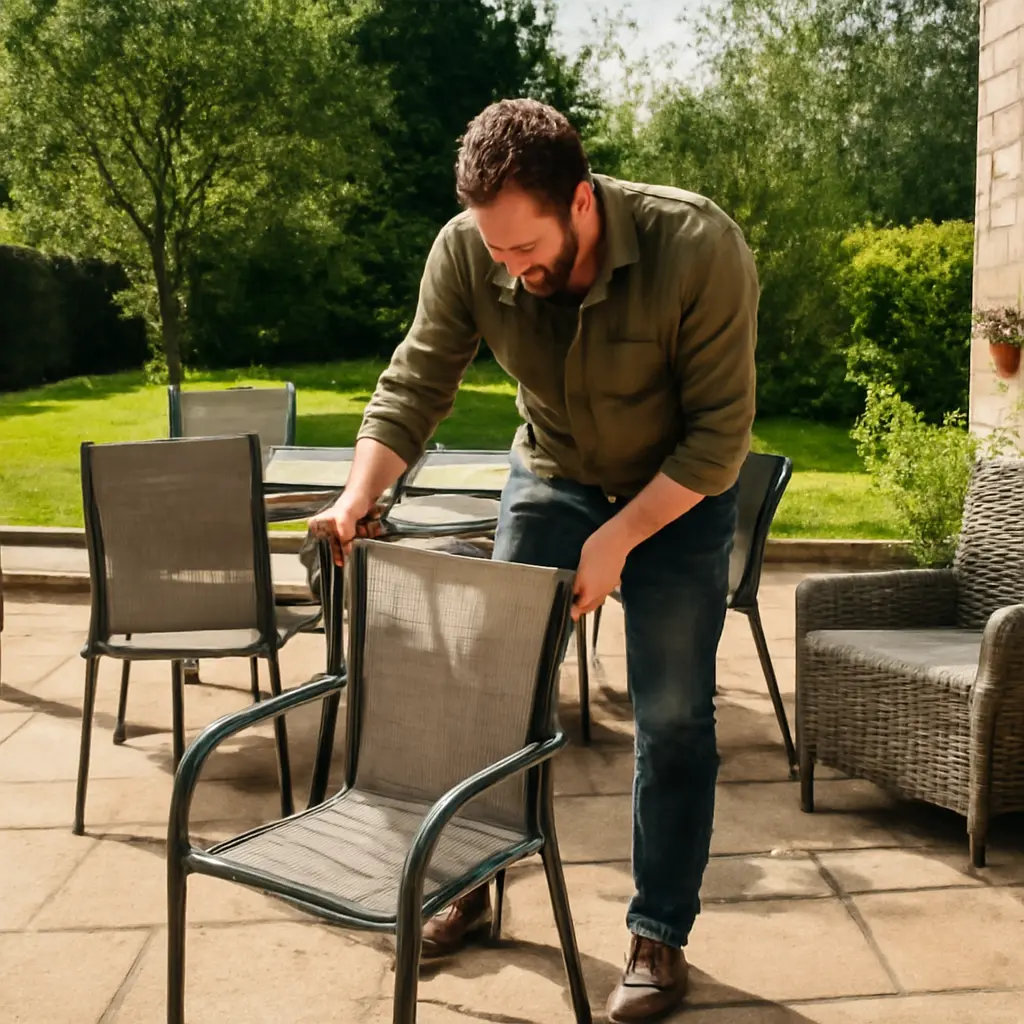
Outdoor furniture is furniture designed to remain usable in open-air settings, where sun, rain, temperature changes, and moisture can accelerate wear. To choose pieces that last, match materials and construction to your climate, check for repairable parts and suitable protective finishes, and plan regular cleaning and storage. These choices matter: the U.S. Environmental Protection Agency estimates that 12.1 million tons of furniture and furnishings entered the municipal solid-waste stream in 2018, underscoring the value of buying durable products and keeping them in service longer. The guide below compares long-wearing materials, explains how to assess construction and cushions, and offers practical care advice.
Outdoor Furniture Durability: What It Means and Why It Matters
Durability is a product’s ability to keep performing its intended function over time despite expected exposure and use. For outdoor furniture, that means more than a sturdy frame: joints, fasteners, coatings, woven surfaces, fabrics, and cushions must also withstand the conditions they will actually face. The Federal Trade Commission’s guidance on environmental marketing cautions that broad claims such as “durable” or “long-lasting” should be clear and supportable, so look for specific material, care, and warranty details rather than relying on a vague label.
There is no single best material for every yard. A covered balcony in a dry region has different demands from a poolside patio exposed to salt air, intense sun, and frequent rain. A useful choice weighs four factors together: climate exposure, construction quality, maintenance requirements, and the cost of repair or replacement.
Exposure determines the durability target
Ultraviolet radiation can fade finishes and weaken some plastics and textiles; standing water can encourage corrosion, mildew, or deterioration; and freeze-thaw cycles can stress materials that absorb moisture. Coastal settings add salt, which can speed corrosion of unsuitable metals. Before shopping, note whether furniture will sit in full sun, beneath a roof, near a pool, or in a place where water collects.
Life-cycle value is more useful than sticker price
A lower purchase price may not mean lower long-term cost if the item needs frequent replacement or cannot be repaired. Compare the expected service life, spare-part availability, cleaning needs, and warranty terms. EPA’s 2018 estimate of 12.1 million tons of discarded furniture and furnishings is a reminder that extending product life can reduce waste as well as replacement expense.
Outdoor Furniture Materials: How to Choose for Lasting Performance
Material choice is the main determinant of how outdoor furniture responds to weather, but material names alone do not guarantee performance. Thickness, grade, finish, design, and care all matter. The most common categories include metals, hardwoods, synthetic woven materials, and plastics.
Aluminum and stainless steel
Aluminum is relatively light and does not rust like iron-based metals, making it a practical option for furniture that may need to be moved. Powder coating adds a protective and decorative surface, but chips should be repaired according to the manufacturer’s instructions. Stainless steel can offer strength and a clean appearance; however, grades and exposure conditions matter, especially near salt water. Inspect welds, joints, drainage openings, and finish quality, and ask what fasteners are used.
Hardwoods and responsibly sourced timber
Dense outdoor hardwoods, such as teak, are commonly selected for their natural resistance to moisture and decay. Wood still changes with exposure: it may weather in color, develop small surface checks, or require periodic cleaning and treatment depending on the desired appearance. Check that parts are well joined, water can drain rather than pool, and replacement components are available. For wood sourcing, the Forest Stewardship Council’s certification system can help buyers identify products linked to independently assessed forest-management standards; certification is a sourcing signal, not a guarantee of furniture durability.
Synthetic wicker and outdoor resin
Synthetic wicker is typically woven from resin strands over a supporting frame. Its performance depends on the resin’s formulation, UV stability, strand thickness, weave tension, and the frame beneath it. Examine the weave for loose ends or uneven tension and check whether the frame is aluminum or another suitable material. Ask the seller how the product should be cleaned and whether damaged strands can be repaired.
Plastic and recycled-plastic furniture
Plastic furniture is easy to clean and will not rust, but sunlight can fade or embrittle some formulations over time. Heavier, UV-stabilized designs may be better suited to prolonged exposure than thin, lightweight pieces. Recycled-plastic products vary in composition and construction, so compare product-specific warranty terms, frame design, and repair options rather than assuming all recycled materials perform alike.
Outdoor Furniture Construction: How to Check Frames, Joints, and Hardware
Construction quality is the way components are connected and reinforced to carry loads and resist movement. A strong material can still fail at a weak joint, while a well-designed frame can improve stability and make maintenance easier. When possible, test display furniture for wobble, flex, rough edges, and uneven contact with the ground.
Inspect joints, welds, and load-bearing parts
Look for consistent welds on metal frames and tight, reinforced connections on wood. Seat supports and cross-bracing should feel secure, with no sharp burrs or exposed edges. A chair that rocks on a flat showroom floor, or a table that twists under light pressure, may indicate poor fit or inadequate bracing.
Choose hardware and finishes for the setting
Fasteners should be appropriate for the frame material and exposure. Ask whether screws, bolts, and hinges resist corrosion, especially for coastal or poolside use. Finishes should be even and complete, including edges and undersides that are easy to overlook. Confirm how to touch up scratches and whether the manufacturer sells compatible replacement hardware.
Check stability, capacity, and repairability
Compare stated weight limits with expected use, and consider how chairs and tables behave on the surfaces where they will sit. Replaceable slats, cushions, straps, glides, and hardware can extend service life. Before buying, ask whether parts will remain available and whether the product can be disassembled without damaging its frame.
Outdoor Cushions and Fabrics: What Makes Soft Furnishings Last
Outdoor textiles are fabrics and cushion components designed for exterior use. Their longevity depends on more than the cover: fiber, dye, weave, seams, foam or fill, drainage, and drying conditions all contribute. The Association for Contract Textiles maintains voluntary performance guidelines for commercial textiles, illustrating why specific test and performance information is more informative than broad marketing language.
Fabric, color, and UV exposure
Look for fabric described as suitable for outdoor exposure, with clear cleaning instructions and information about colorfastness. Solution-dyed fabrics color the fibers during production rather than applying color only to the surface, a construction approach commonly used for outdoor textiles. Still, performance varies by product and exposure; ask about test results or a fabric warranty, and use shade or covers to reduce direct sun.
Cushion fill, drainage, and drying
Cushion cores differ in water resistance and drying behavior. A quick-drying design uses materials and construction that help water drain and air circulate, but it is not necessarily waterproof. Check whether covers unzip for cleaning, whether seams are reinforced, and whether the cushions should be brought indoors during prolonged rain. Store cushions dry to reduce the chance of persistent dampness and mildew.
Care labels and replacement covers
Follow the manufacturer’s care instructions rather than applying bleach, solvents, or pressure washing without approval. Removable covers and separately available replacement cushions can preserve a sound frame even when fabric fades or wears. Keep product details and care instructions so that replacement parts can be matched later.
Outdoor Furniture Care: Practices That Extend Service Life
Maintenance is the planned cleaning, inspection, protection, and storage that helps furniture remain safe and functional. A simple routine can catch small problems—such as a loose bolt or chipped finish—before they spread. Care should be tailored to the product and local weather, not applied as a one-size-fits-all schedule.
Clean gently and inspect seasonally
Remove dirt and debris with methods approved by the manufacturer. At the start and end of the main outdoor season, check joints, fasteners, welds, finishes, glides, and fabric seams. Tighten loose hardware where appropriate and address finish damage promptly using compatible products.
Use covers and storage strategically
Breathable, well-fitted covers can reduce exposure to sun and precipitation, but trapped moisture can cause problems. Allow furniture to dry before covering it, and use covers that do not hold water against the surface. In winter or during severe weather, store movable cushions indoors and follow the maker’s guidance for storing the frames.
Match upkeep to the material
Wood may need periodic cleaning or treatment; coated metal benefits from prompt attention to chips; resin weaves need dirt removed from crevices; and fabric needs the care specified on its label. Keep a note of the product’s material and finish so you can use appropriate cleaners and repair methods.
Outdoor Furniture Buying Checklist: A Practical Selection Process
A systematic comparison helps balance durability, comfort, appearance, and budget. Use the following questions before purchasing:
- Where will the furniture sit, and how much direct sun, rain, salt, or freeze-thaw exposure will it receive?
- What are the frame, surface, fastener, and cushion materials, and what care do they require?
- Does the piece feel stable, with secure joints, consistent finishes, and no sharp or unfinished areas?
- Are replacement parts, cushion covers, or repair instructions available?
- What exactly does the warranty cover, for how long, and under what care and exposure conditions?
- Can the furniture be moved, covered, or stored when severe weather is expected?
- Does the design drain water and allow damp components to dry?
For example, a buyer furnishing a sunny coastal patio might prioritize a corrosion-resistant frame, UV-suitable fabric, durable fasteners, and removable cushions that can be stored indoors. A shaded, covered porch may allow a wider choice of materials, provided the pieces still suit local humidity and maintenance preferences.
Conclusion: Choose Outdoor Furniture for Its Whole Life
Long-lasting outdoor furniture combines climate-appropriate materials, sound construction, suitable cushions, and manageable care. Compare specific product details instead of relying on broad claims; inspect joints and finishes; confirm warranty and repair options; and protect furniture from unnecessary exposure. With these steps, buyers can improve comfort, reduce replacement costs, and keep usable furniture out of the waste stream. Before purchasing, review the manufacturer’s care guidance and compare products against the conditions in your own outdoor space.
Sources: U.S. Environmental Protection Agency, Advancing Sustainable Materials Management: 2018 Fact Sheet, https://www.epa.gov/sites/default/files/2021-01/documents/2018_ff_fact_sheet_dec_2020_fnl_508.pdf; Federal Trade Commission, Guides for the Use of Environmental Marketing Claims, https://www.ftc.gov/legal-library/browse/rules/green-guides; Forest Stewardship Council, FSC Certification, https://fsc.org/en/forest-management-certification; Association for Contract Textiles, ACT Performance Guidelines, https://contracttextiles.org/performance-guidelines/
Related Post

Simple Tricks to Remove Dirt From Aluminum Patio Sets
Aluminum patio sets are outdoor tables, chairs, and loungers made primarily from aluminum, a lightweight [...]
How to Protect Outdoor Furniture in Extreme Heat
Outdoor furniture protection in extreme heat means limiting prolonged sun exposure, reducing heat buildup, and [...]
Synthetic Rattan Furniture Aged Beautifully Through Five Seasons
Synthetic rattan furniture can stay attractive through five seasons when its resin weave, frame, cushions, [...]